About Passive Design?
Passive design is an approach to designing buildings that takes advantage of natural climatic conditions to maintain a comfortable indoor environment without the need for active heating or cooling systems. The most important factor in passive design is the orientation of the building relative to the sun.
This allows the building to receive maximum solar exposure during the winter months when solar gain can help to heat the interior, while still providing shade and protection from overheating during the summer. Other important factors in passive design include thermal mass, which helps to store heat energy, and insulation, which helps to minimize heat loss.





How It Works
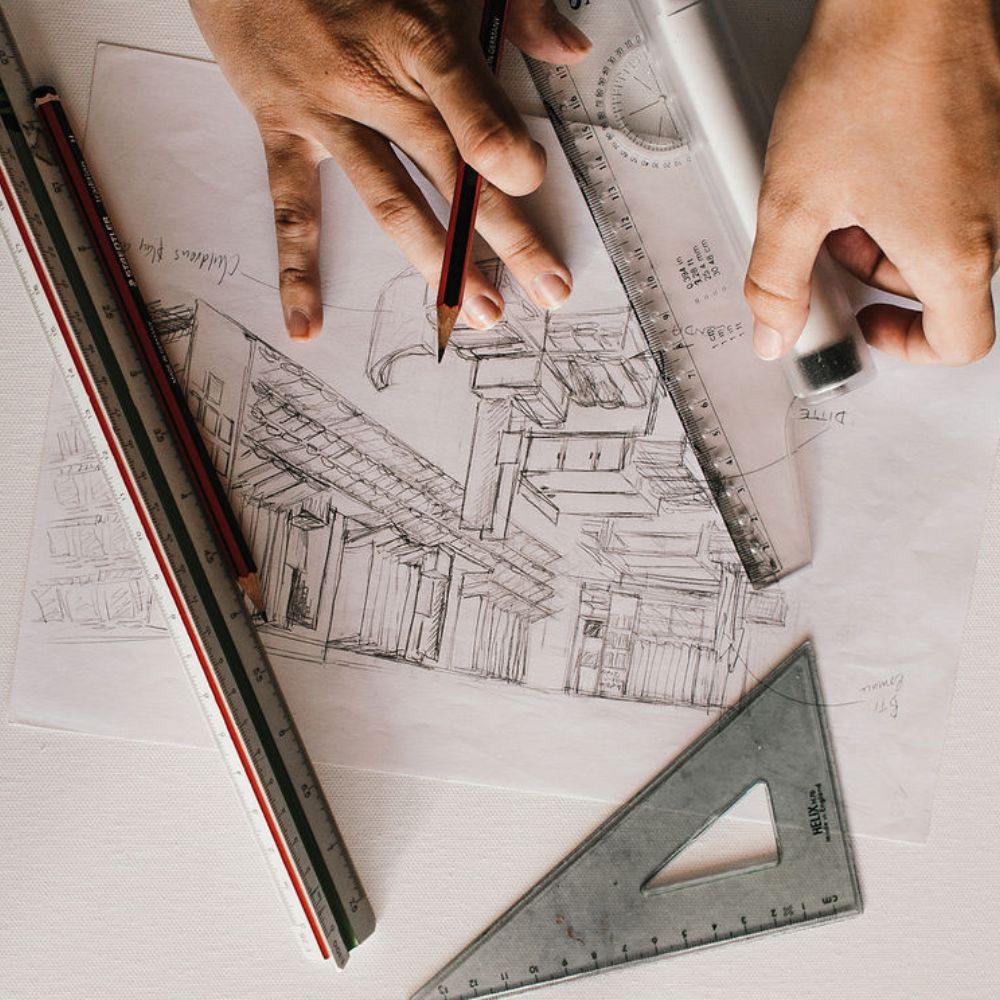
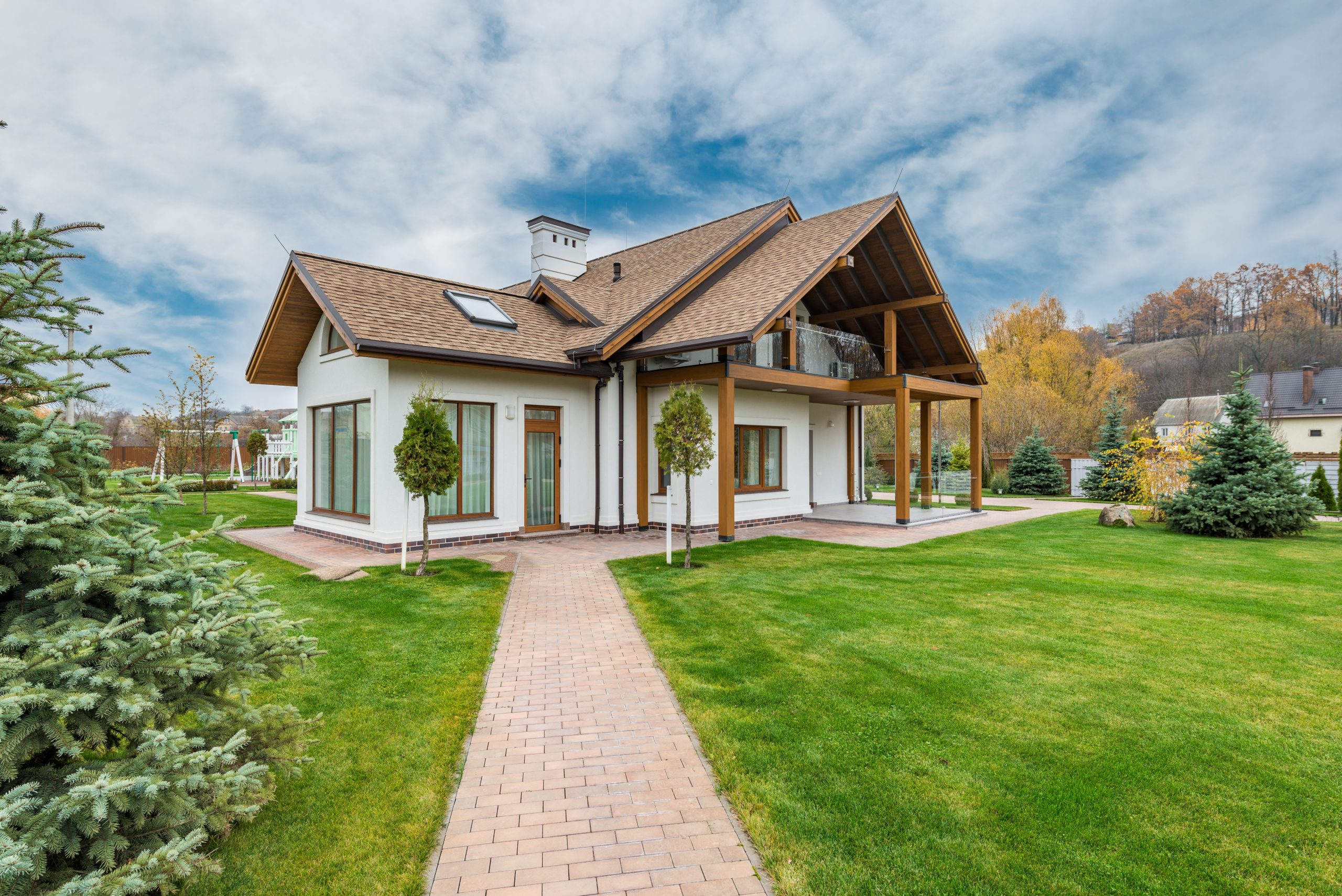
Passive homes are well-insulated and airtight, allowing them to take advantage of natural heat sources like the sun and the earth’s heat storage capacity. They also have high-performance windows that let in sunlight while minimizing heat loss. As a result, passive houses can stay warm in winter and cool in summer with very little energy input. In fact, many passive homes are so efficient that they can be completely off the grid, generating their own power through solar panels or other renewable energy sources. If you’re interested in learning more about how passive housing works, there are plenty of resources available online. With a little research, you can find out everything you need to know about this innovative type of construction.
Gallery